SA to face Excessive Court docket if financial institution tax goes forward

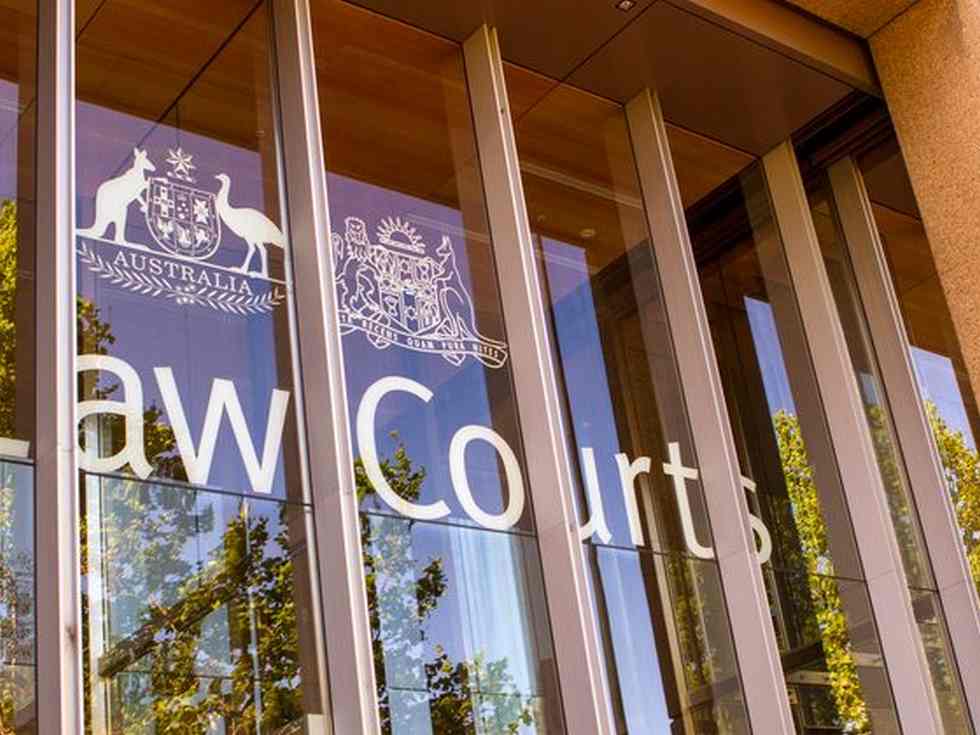
The foremost Australian banks will take the South Australian Authorities to the Excessive Court docket if it introduce their proposed financial institution tax, the Australian Bankers’ Affiliation (ABA) introduced yesterday.
ABA Chief Govt Anna Bligh has criticised the tax, stating that the SA Authorities will face a Excessive Court docket problem because the state is one which “must create extra jobs and encourage companies to take a position, not introduce new taxes”.
What’s the SA financial institution tax?
Introduced as a part of this 12 months’s state price range, the state-based financial institution levy on the Large 4 banks and Macquarie Group will see them paying a quarterly levy of 0.015 per cent on bonds and deposits over $250,000 (excluding mortgages and atypical family deposits).
The ABA referred to current polls of greater than 2,000 voters and 400 enterprise house owners who’ve expressed widespread opposition to the tax and concern about its impression on jobs.
“Banks are campaigning towards the tax as a result of it isn’t within the pursuits of South Australians, and they’re ready to combat it in court docket,” stated Ms Bligh.
“Different states can even face a Constitutional problem within the Excessive Court docket in the event that they suggest to single out banks for brand new taxes.
“There isn’t a justification for brand new taxes on Australia’s main banks. Banks are already the nation’s largest taxpayers, contributing $14 billion in taxes final 12 months.
“On prime of that, banks paid $26 billion in dividends to shareholders and superannuation funds in 2016.
“That’s a profit to nearly each working Australian and new taxes on banks will erode this profit,” stated Ms Bligh.
Nonetheless, South Australian Treasurer Tom Koutsantonis stated he was “not stunned” by the announcement to contest the financial institution tax, and reassured South Australians that the tax was “legally sound”.
“The explanation they’re puffing up their chest now’s that they’re nervous about this tax being launched in different jurisdictions,” stated Mr Koustantonis.
“They’re attempting to frighten the opposite states into considering that is unconstitutional.”